
The acrylic lenses at home turned yellow and developed scratches after just six months of use? Despite significant investment, they prematurely "retired" due to inadequate maintenance? In reality, the durability of acrylic lenses depends 30% on quality and 70% on proper care! Master these five key techniques to effortlessly extend their service life and ensure every penny is spent wisely.
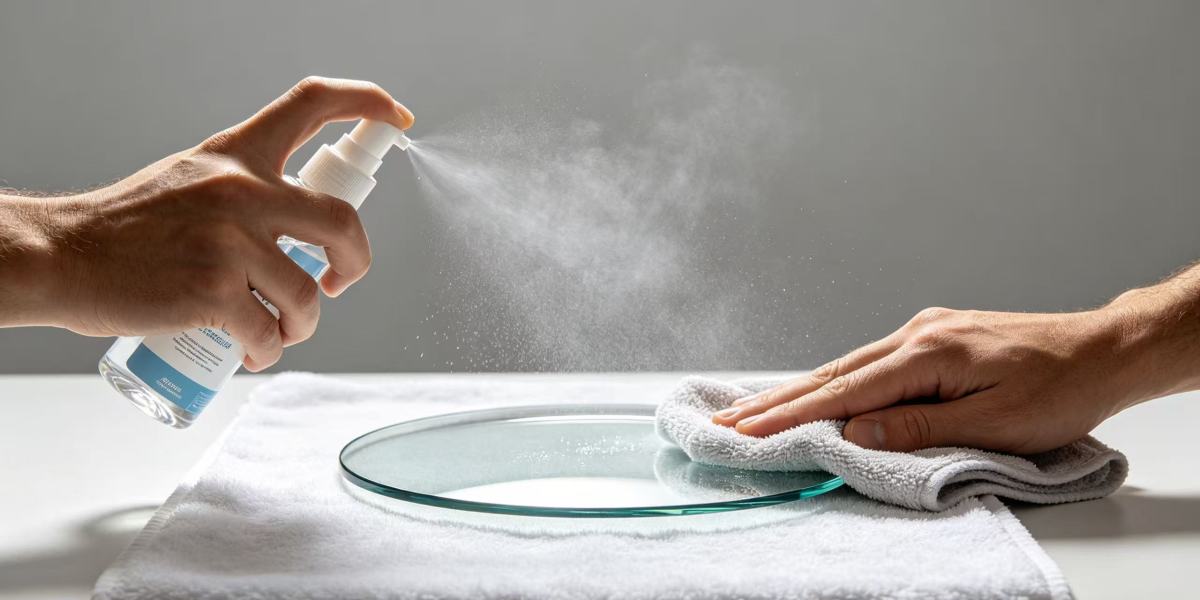
Choose the right cleaning method to say goodbye to "the more you wipe, the worse it gets"
Many people casually use hard-bristled brushes, rough cloths, or even directly apply alcohol for cleaning, which instead leaves fine scratches on the lenses! The correct method is to use a soft microfiber cloth (either lens cloth or eyeglass cloth) combined with a neutral cleaner (such as a diluted dishwashing liquid or specialized lens cleaner), and gently wipe in a single direction. For stubborn stains, apply a damp cloth for 30 seconds first before cleaning to avoid secondary damage caused by back-and-forth rubbing.
Avoid direct sunlight and high temperatures; uphold the "uncompromising baseline."
Acrylic lenses are susceptible to both sunlight and heat exposure! Prolonged exposure to sunlight accelerates aging and yellowing, while contact with high-temperature sources such as flames or heating appliances may cause direct deformation and failure. During daily use, avoid direct sunlight exposure; for outdoor applications, opt for models with UV-resistant coatings. When storing, keep them away from heat sources like stoves and water heaters, and avoid prolonged storage in high-temperature vehicle interiors during summer.
Keep away from sharp objects to prevent "fatal abrasions"
Although acrylic has high hardness, its scratch resistance is relatively poor; sharp objects such as keys, scissors, and metal accessories will leave marks upon scraping. During storage, it should be placed separately in a soft storage box or wrapped in a soft cloth. During use, avoid collisions with hard objects, and place an anti-slip mat on the surface to reduce friction.
First aid for minor scratches: toothpaste can effectively repair them
Do not panic if minor scratches occur accidentally! Apply a small amount of white toothpaste (non-gel type) to the scratched area, gently wipe in circular motions with a soft cloth dipped in warm water for 1–2 minutes, then rinse thoroughly with clean water. Minor scratches will significantly fade. Apply gentle pressure to avoid exacerbating the damage.
Long-term storage requires specific precautions, with moisture and dust protection being paramount.
When not in use for an extended period, first clean the item thoroughly with a neutral cleaner and allow it to dry completely. Then wrap it tightly in a sealed bag or dust-proof cloth, and store it in a dry, well-ventilated environment to prevent moisture-induced mold growth or dust accumulation that may be difficult to remove.
In fact, maintaining acrylic lenses is quite simple. By avoiding the four major pitfalls—hard rubbing, direct sunlight, high temperatures, and sharp objects—and giving them a bit more care in daily use, you can keep them clear and vibrant for over five years!
Navigation
Send Us A Message
CHAIDONG
Professional generator set manufacturer
24/7 before-sales and after-sales services
Comprehensive technical support