Struggling with lens selection due to baldness? Whether for electronic device accessories, child product protection, outdoor advertising displays, or laboratory instrument matching, choosing the right lenses can ensure both convenience and cost-effectiveness! This highly practical comparison guide will help you make informed decisions instantly.
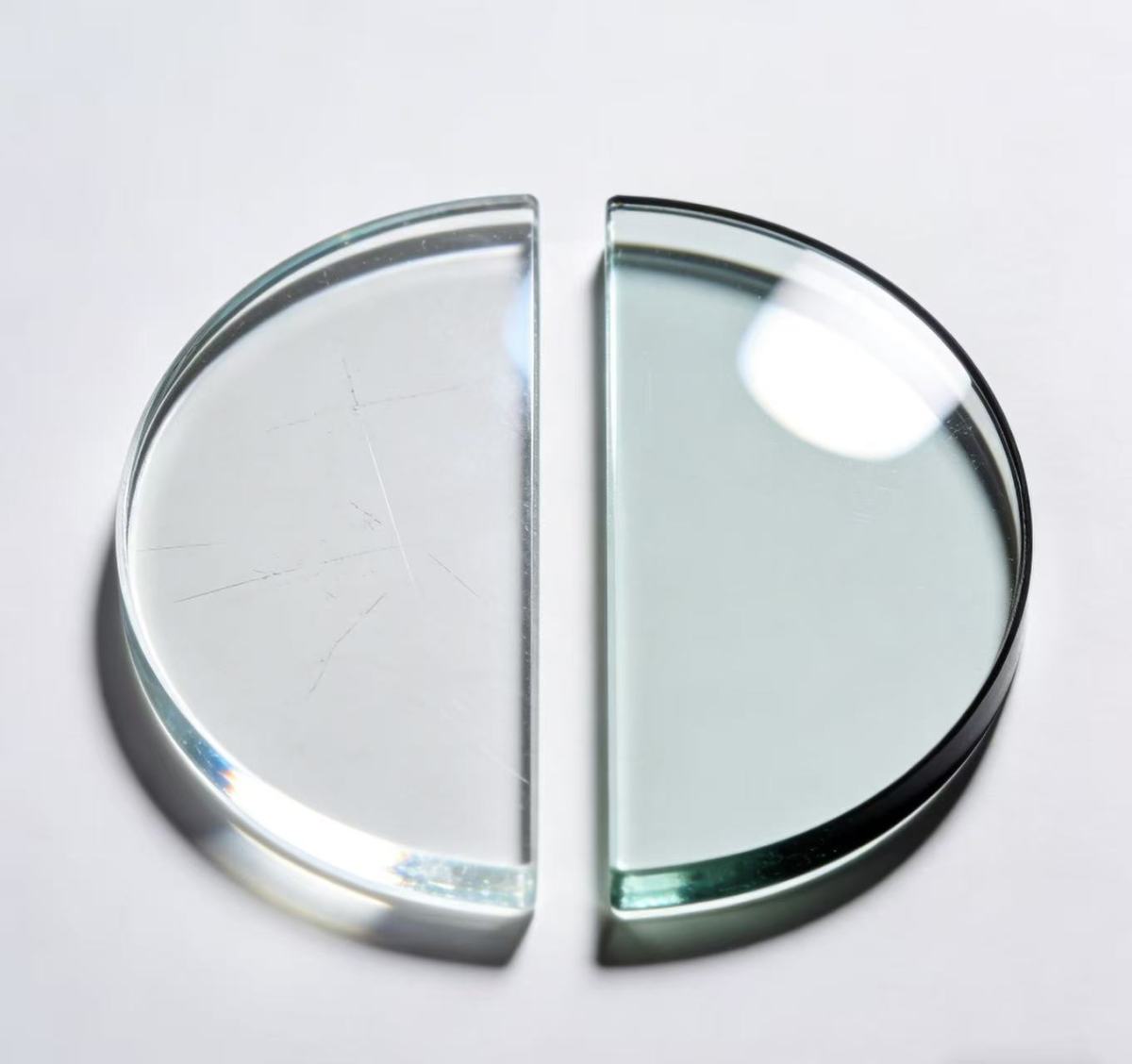
First, let's examine the core differences: The advantages of glass lenses are evident—high hardness and excellent wear resistance, enabling them to withstand high-frequency friction scenarios. However, their critical drawbacks include significant weight, which may cause physical strain during prolonged use, along with high brittleness and susceptibility to breakage. Fragments pose safety hazards, and their shape is difficult to modify during processing, resulting in limited customization flexibility.
Acrylic lenses are truly a "versatile performer": weighing only about 50% of glass lenses, they are lightweight and stress-free for daily wear or long-term use. Their exceptional impact resistance ensures durability even under accidental collisions, significantly enhancing safety. Most importantly, they offer unparalleled customization flexibility—can be cut into any desired shape or curvature to meet diverse installation requirements. With lower manufacturing costs, they deliver outstanding cost-effectiveness.
Notably, acrylic lenses can achieve high-efficiency UV protection by incorporating UV stabilizers, which reduces aging and yellowing during outdoor use while extending their service life. This makes them particularly suitable for applications such as outdoor advertising and protection of open-air equipment.
Regarding scene compatibility: For daily applications such as electronic device screens, child toy protection, outdoor advertising light boxes, and home decoration, acrylic lenses are the preferred choice due to their three major advantages of lightweight, safety, and high cost-effectiveness. In scenarios requiring extreme hardness and wear resistance, such as laboratory instruments and high-precision optical equipment, glass lenses are more suitable.
In most daily scenarios, acrylic lenses can perfectly replace glass lenses, meeting usage requirements while reducing wear and safety risks. Selecting lenses based on specific needs rather than blindly pursuing "high hardness" ensures optimal budget allocation, providing both comfort and reliability.
Navigation
Send Us A Message
CHAIDONG
Professional generator set manufacturer
24/7 before-sales and after-sales services
Comprehensive technical support